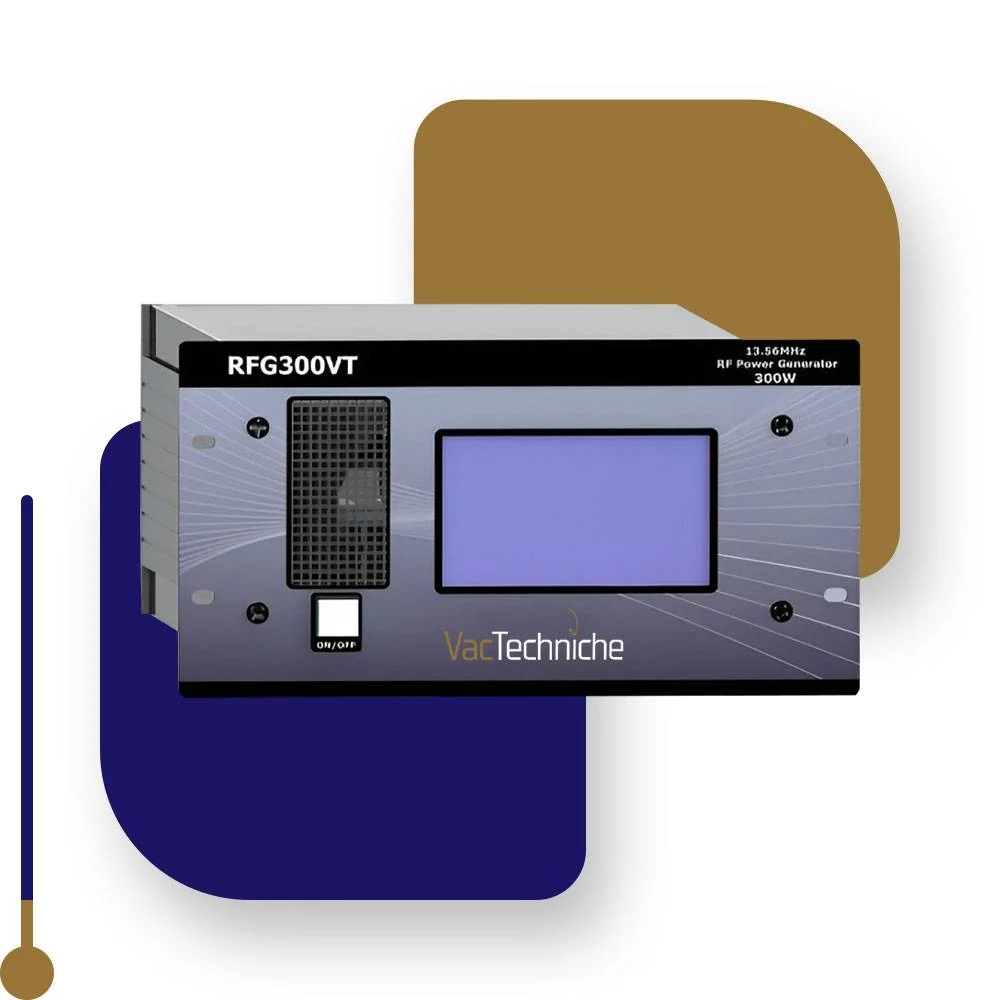

What is a radiofrequency plasma source?
Unveiling the Mystery: What is a Radiofrequency Plasma Source?
In the realm of cutting-edge technology, the term “radiofrequency plasma source” often emerges, intriguing minds and sparking curiosity. But what exactly does this term entail? Let’s delve into the depths of this fascinating subject to unravel its secrets.
Understanding the Basics
First and foremost, let’s break down the components of this term. Radiofrequency, often abbreviated as RF, refers to the oscillation rate of electromagnetic radio waves in the range of 3 kHz to 300 GHz. Plasma, on the other hand, represents the fourth state of matter, characterized by ionized gas molecules containing positive ions and free electrons.
In essence, a radiofrequency plasma source combines these elements to create a unique environment where radiofrequency energy is utilized to generate and sustain plasma. This process involves applying high-frequency electromagnetic fields to a gas, causing the gas to ionize and form plasma.
Applications Across Industries
The versatility of radiofrequency plasma sources renders them indispensable across various industries. From semiconductor manufacturing to medical treatments, these devices find applications in a myriad of fields.
Semiconductor Industry
In semiconductor fabrication processes, radiofrequency plasma sources play a crucial role in etching and deposition techniques. They enable precise control over material removal and deposition rates, contributing to the production of intricate semiconductor components.
Biomedical Field
In medicine, radiofrequency plasma sources find application in procedures such as plasma sterilization and surface modification of medical devices. Plasma sterilization, in particular, offers a fast and effective method for eliminating pathogens on medical equipment without the use of harmful chemicals.
Environmental Remediation
Furthermore, radiofrequency plasma sources are utilized in environmental remediation efforts, facilitating the decomposition of hazardous waste materials. Through controlled plasma reactions, contaminants can be broken down into non-toxic byproducts, aiding in environmental cleanup initiatives.
Advantages of Radiofrequency Plasma Sources
The adoption of radiofrequency plasma sources offers several advantages over traditional methods:
Precision and Control
One of the key benefits of radiofrequency plasma sources is their ability to provide precise control over plasma parameters such as density, temperature, and composition. This level of control allows for tailored processes suited to specific applications.
Enhanced Efficiency
Compared to conventional techniques, radiofrequency plasma processes often exhibit higher efficiency and throughput. The rapid generation and manipulation of plasma enable faster processing times and increased productivity.
Environmental Friendliness
In line with the growing emphasis on sustainability, radiofrequency plasma sources offer environmentally friendly solutions by minimizing chemical usage and waste generation. Additionally, the ability to treat hazardous materials safely contributes to eco-conscious practices.
Conclusion
In conclusion, a radiofrequency plasma source represents a cutting-edge technology that harnesses the power of radiofrequency energy to create and manipulate plasma. With applications spanning across industries such as semiconductor manufacturing, biomedicine, and environmental remediation, these devices are revolutionizing processes and driving innovation. By offering precise control, enhanced efficiency, and environmental benefits, radiofrequency plasma sources pave the way for a brighter, more sustainable future.


