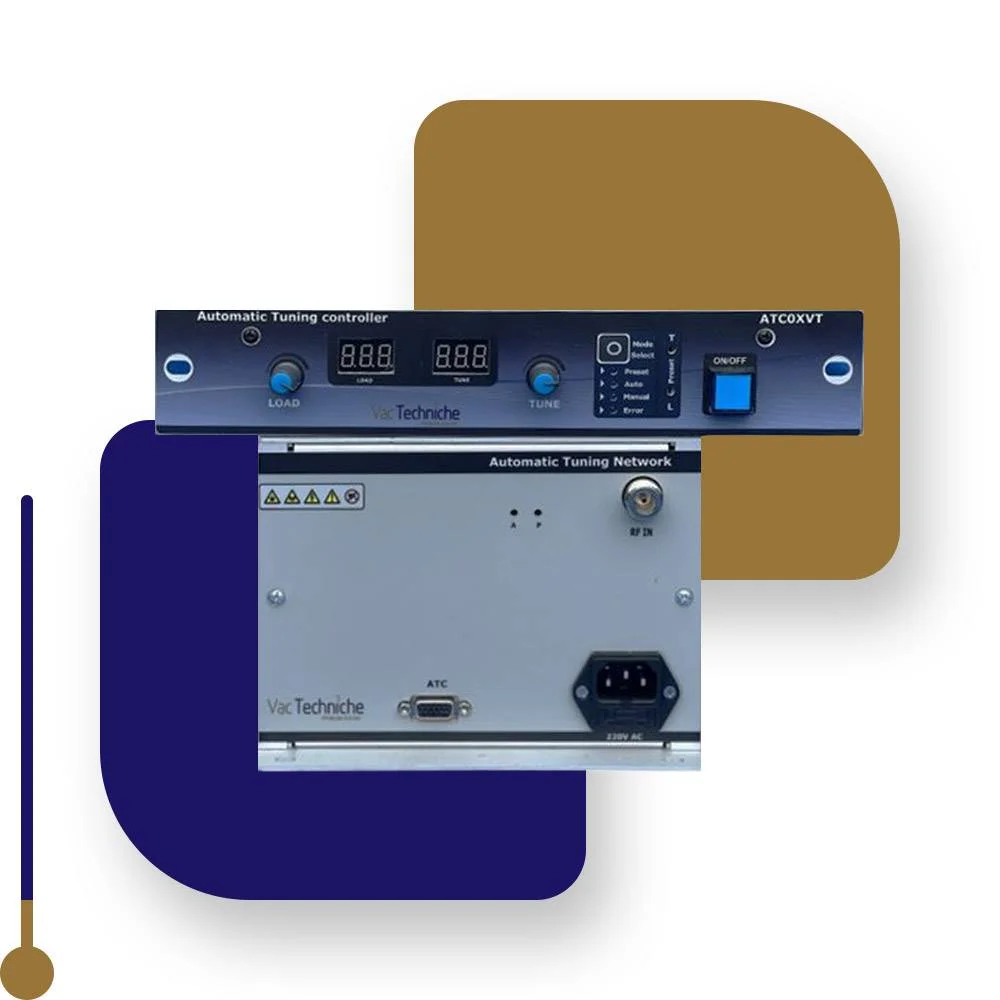

How do you make plasma with RF?
How to Generate Plasma with Radio Frequency (RF): A Comprehensive Guide
Welcome to our comprehensive guide on generating plasma using radio frequency (RF) technology. In this article, we’ll delve into the intricacies of plasma generation, the role of RF, and the steps involved in creating plasma using this method. Whether you’re a researcher, a student, or simply curious about the fascinating world of plasma, this guide will provide you with valuable insights.
Understanding Plasma
Before we dive into the specifics of RF-generated plasma, let’s first understand what plasma is. Plasma is often referred to as the fourth state of matter, alongside solids, liquids, and gases. Unlike these other states, plasma consists of ionized particles – atoms or molecules that have lost or gained electrons, resulting in a mixture of positively and negatively charged particles.
The Role of Radio Frequency
Radio frequency (RF) plays a crucial role in the generation of plasma. RF refers to electromagnetic waves with frequencies ranging from 3 kHz to 300 GHz. These waves have the ability to ionize gases, leading to the formation of plasma. RF energy is absorbed by the gas molecules, causing them to ionize and form a plasma state.
Steps to Make Plasma with RF
Now that we understand the basics, let’s outline the steps involved in generating plasma using RF:
1. Selection of Gas
The first step is to select the appropriate gas for plasma generation. Common gases used include argon, helium, and hydrogen, among others. The choice of gas depends on factors such as the desired plasma characteristics and the application requirements.
2. Vacuum Chamber Setup
Next, a vacuum chamber is set up to create the necessary low-pressure environment for plasma generation. This chamber ensures that the gas molecules are free to move without interference, facilitating the ionization process.
3. Introduction of Gas
Once the vacuum chamber is prepared, the selected gas is introduced into the chamber. The gas pressure is carefully controlled to achieve the desired plasma parameters.
4. Application of RF Energy
With the gas in the chamber, RF energy is applied using specialized equipment such as RF generators. The frequency and power of the RF energy are adjusted based on the gas properties and the desired plasma characteristics.
5. Ionization of Gas
As the RF energy is applied, the gas molecules absorb the energy and become ionized, leading to the formation of plasma. This plasma consists of a mixture of ions, electrons, and neutral particles.
6. Plasma Control and Monitoring
Throughout the plasma generation process, parameters such as temperature, pressure, and composition are closely monitored and controlled to ensure consistency and quality of the plasma produced.
7. Plasma Applications
The generated plasma can be utilized in a wide range of applications, including semiconductor manufacturing, surface treatment, plasma etching, and biomedical research, among others.
Conclusion
In conclusion, generating plasma with radio frequency is a fascinating process that has diverse applications across various industries. By understanding the fundamentals of plasma generation and the role of RF technology, researchers and practitioners can harness the potential of plasma for innovation and advancement. Whether it’s enhancing semiconductor devices or exploring new frontiers in materials science, the possibilities with RF-generated plasma are truly limitless.


